Verifying the certification of orthopedic implants suppliers is crucial in today's healthcare environment. Quality assurance is paramount. Hospitals and clinics must ensure that they only source implants from reliable vendors. This responsibility falls on medical professionals and procurement teams alike.
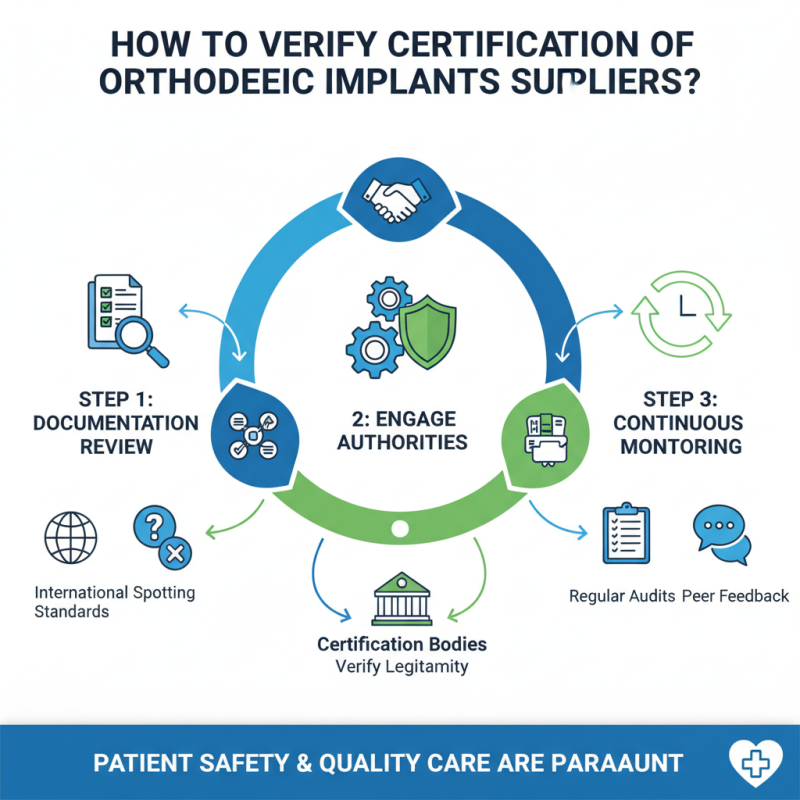
The process involves several key steps. One must thoroughly check the supplier's documentation. Valid certifications indicate compliance with international standards. However, navigating these documents can be challenging. Some suppliers may present misleading information. A keen eye and practical knowledge are essential to spot inconsistencies.
Furthermore, engaging with certification authorities can provide additional insights. It helps to verify the legitimacy of claims made by suppliers. Relying solely on documents may not be enough. Regular audits and feedback from other healthcare facilities can also be insightful. Ultimately, understanding how to verify the certification of orthopedic implants suppliers is vital for patient safety and care.
Certification plays a vital role in the orthopedic implants industry. It ensures that products meet safety and efficacy standards. According to a report from the World Health Organization, over 1.5 million orthopedic surgeries occur annually worldwide. With this high volume, the quality of implants directly impacts patient outcomes.
Inadequate certification can lead to severe complications. Research indicates that approximately 10% of patients experience adverse effects from poorly manufactured implants. Reliable certification processes assess materials, design, and manufacturing methods. Regulatory bodies often evaluate suppliers to ensure compliance with international standards. This transparency fosters trust within the surgical community.
Moreover, a lack of proper certification can harm healthcare providers. Hospitals may face legal repercussions if they use non-compliant products. Stakeholders must prioritize working with certified suppliers. Understanding the complexities of certification can empower healthcare professionals to make informed decisions. The intricacies of the certification process deserve deeper exploration to improve patient safety.
| Certification Type | Issuing Authority | Certification Validity | Region | Last Verified Date |
|---|---|---|---|---|
| ISO 13485 | International Organization for Standardization | 3 years | Global | 2023-01-15 |
| CE Marking | European Commission | Indefinite (unless revoked) | European Union | 2023-03-10 |
| FDA 510(k) | U.S. Food and Drug Administration | Varies | United States | 2023-05-05 |
| Health Canada License | Health Canada | Indefinite (unless revoked) | Canada | 2023-07-20 |
| TGA Registration | Therapeutic Goods Administration | Indefinite (unless revoked) | Australia | 2023-08-15 |
: Certification ensures orthopedic implants meet safety and efficacy standards, impacting patient outcomes.
Inadequate certification can lead to complications. Research shows 10% of patients face adverse effects from poor implants.
The Food and Drug Administration (FDA) plays a vital role in the certification of orthopedic implants.
The FDA's stringent requirements reduced adverse implant events by 30% over the past decade, enhancing patient safety.
ISO standards, especially ISO 13485, ensure quality management in medical devices, elevating suppliers' credibility.
Providers should check for relevant ISO and FDA certifications and review the supplier’s history and reputation.
Conduct on-site inspections when possible. This reveals more about manufacturing practices than documents alone.
Some small suppliers struggle to meet certification standards, potentially risking patient safety with non-compliant products.
While testimonials can be helpful, they might not reflect true experiences; verifying authenticity is crucial.
Engaging in discussions clarifies concerns and strengthens partnerships, improving overall quality control efforts.
Verifying the certification of orthopedic implants suppliers is crucial for ensuring the quality and safety of medical devices. The certification process is governed by key regulatory bodies that establish standards and guidelines for manufacturers. Understanding these certification requirements involves familiarizing oneself with the important regulatory frameworks and the roles of organizations involved in oversight.
To effectively verify the certification of suppliers, one must follow systematic steps. This includes reviewing common certification standards for orthopedic implants and gathering necessary documentation that proves compliance. By knowing how to verify the certification of orthopedic implants suppliers, healthcare professionals can make informed decisions that ultimately enhance patient safety and device reliability.

 Medev Medical